
Buying a condo or bungalow in Downtown Santa Barbara? Then escrow is where your new home truly becomes yours. If you are a first-time or relocating buyer, the process can feel opaque and fast-moving. This guide breaks down how escrow works in California, what is typical in Downtown Santa Barbara, and how to keep your transaction on track. Let's dive in.
What escrow is in California
Escrow is a neutral third-party process that holds your funds and the seller's documents while both of you satisfy the terms of the purchase contract. The escrow holder follows written instructions from you and the seller and coordinates title transfer, lien payoffs, and funds disbursement once all conditions are met. In California, escrow companies are licensed and overseen by the Department of Financial Protection and Innovation, and most timelines follow California Association of Realtors contract language that you negotiate in your offer.
Who does what in escrow
- You and the seller: sign documents, meet deadlines, and deliver approvals. You arrange inspections and, if applicable, financing.
- Your agents: negotiate terms, track deadlines, and coordinate documents and vendors.
- Escrow officer: holds funds, follows instructions, prepares the closing statement, and manages recording and disbursement.
- Title company: researches title, issues the preliminary report and title insurance, and clears exceptions.
- Lender: orders the appraisal, processes your loan, and funds at closing if applicable.
- HOA or management company: provides the resale package and estoppel for condo purchases.
Downtown Santa Barbara factors to know
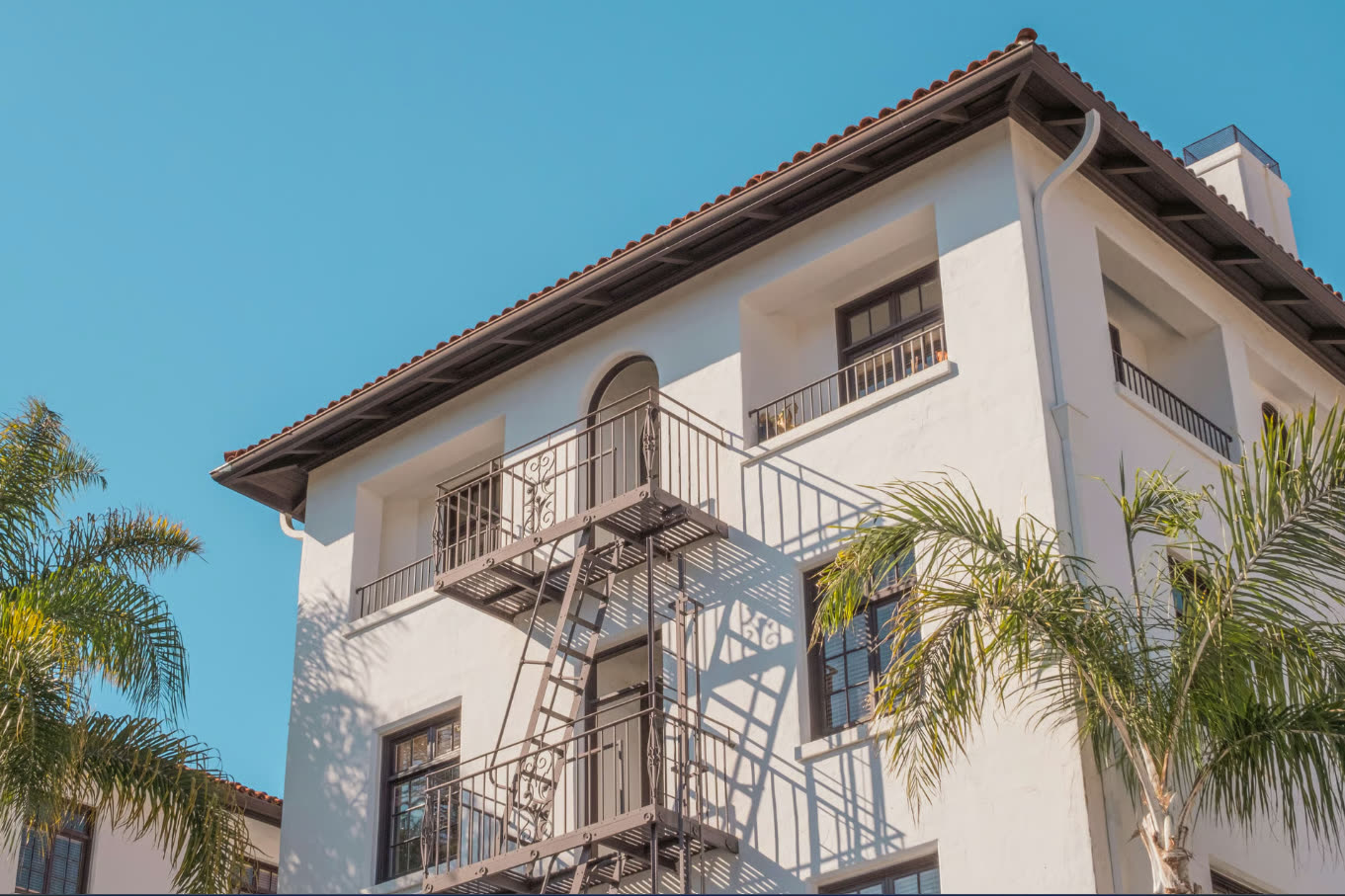
Many downtown condos and bungalows are older, including historic-era homes and condominium conversions. Expect permit-history reviews and, for some homes, potential seismic or structural considerations. Properties can fall within local planning, design review, or historic districts, which usually do not stop escrow but matter for renovation plans and inspections. You will also review a Natural Hazard Disclosure that covers wildfire zones, coastal proximity, flood risk, and potential liquefaction in certain sites.
For condos, the HOA resale package is often the single largest bottleneck in escrow. Turnaround can range from about one to two weeks, and your contract should provide time for review.
The step-by-step flow and timeline
1) Offer accepted and escrow opened
You and the seller sign the purchase agreement, and escrow is opened. Your contract sets the deposit timeline, contingency periods, and target closing date.
2) Initial deposit delivered
You deliver your earnest money to escrow, typically within 2 to 3 business days of acceptance per the contract. Total deposits commonly range from roughly 1 to 3 percent of the purchase price, though the specifics are negotiable. Escrow confirms receipt for both parties.
3) Opening tasks in the first week
Escrow instructs title to produce the preliminary title report. If there is an HOA, escrow requests the resale package and estoppel. If you have a loan, your lender begins processing, and you schedule inspections. Standard inspections include a general home or condo inspection and termite. For older bungalows, you may add roof, sewer, structural or seismic, chimney, or environmental evaluations as warranted.
4) Contingency periods
- Inspection contingency commonly runs 10 to 17 days, but it is negotiable. You complete inspections and may request repairs or credits.
- Loan contingency often runs 21 to 30 days for conventional financing. The appraisal typically occurs during this window.
- HOA/document contingency for condos depends on association turnaround. You will review CC&Rs, bylaws, budgets, reserve studies, meeting minutes, insurance, estoppel, and any litigation disclosures. If you use FHA or VA financing, confirm project eligibility early.
If contingencies are not removed by their deadlines, you may be able to cancel and recover your deposit according to the contract. Once contingencies are removed, your deposit can be at risk if you later breach the agreement.
5) Title review and curative work
Your preliminary title report will list liens, easements, and covenants. Title and escrow coordinate payoffs and any curative steps needed for clear title, such as releases or subordinations. In Southern California, it is customary for the seller to pay for the owner's title insurance policy, but this is negotiable and should appear clearly in your contract and final statement.
6) Final loan approvals and prep
Your lender issues final approval and funding conditions. Escrow prepares your closing figures, including prorations for property taxes, HOA dues, and agreed credits. If you are financing, you receive a Closing Disclosure outlining your loan terms and costs.
7) Recording and keys
You sign closing documents, deliver your down payment, and your lender wires funds. Escrow records your deed at the Santa Barbara County Clerk-Recorder, pays off any seller liens, and disburses funds. You receive keys based on the possession terms in your contract, often at recording.
Typical timelines at a glance
- Cash purchases: about 7 to 21 days, depending on title items and HOA timing.
- Financed purchases: commonly 30 to 45 days to allow for appraisal and underwriting, with some cases taking 45 to 60 days.
Condo and HOA documents
For condos, you will receive an HOA resale package that typically includes CC&Rs, bylaws, the current budget and reserve study, meeting minutes, insurance information, and an estoppel letter with dues and any assessments. Review for:
- Pending or proposed special assessments.
- Reserve adequacy and recent reserve studies.
- Any ongoing litigation involving the association.
- Rental restrictions or owner-occupancy requirements.
- Insurance coverage details and any changes that could affect premiums or lending.
Project eligibility can affect certain loan programs. If you plan to use FHA or VA financing, confirm eligibility and any lender-specific requirements early to avoid delays.
Local checks that protect you
- Permit history and historic status through the city's Planning and Building resources for Downtown properties.
- Natural hazard information that includes fire, flood, coastal proximity, and liquefaction risk through the state-mandated NHD and relevant hazard maps.
- HOA health indicators: reserve funding, dues trajectories, maintenance plans, and building-level projects.
These checks rarely halt escrow on their own, but they can impact your contingency decisions and future renovation plans.
Title and insurance basics
Your preliminary title report will show liens, easements, and exceptions that must be cleared or accepted prior to closing. Owner's title insurance protects you against covered title defects, while your lender requires a separate lender's policy for financed transactions. HOA liens can be significant in condo purchases, so your escrow and title teams will ensure any unpaid assessments are addressed prior to close.
Typical costs and who pays
Customs vary and all items are negotiable, but here is what you will commonly see on a Downtown Santa Barbara purchase:
- Buyer-paid items: lender fees, appraisal, lender's title policy, inspection fees, recording fees, prorated taxes and HOA dues, and other loan costs.
- Seller-paid items: owner's title policy is customarily a seller expense in Southern California, real estate commission, payoff of any existing loans, documentary transfer tax, and often a share of the escrow fee.
Always confirm allocations in your contract and review your closing statement carefully before signing.
How to keep escrow on track
- Start fast. Deliver your deposit on time and order inspections immediately after acceptance.
- Front-load HOA requests. For condos, request the resale package on day one. Build in review time.
- Watch your contingency calendar. Put each deadline on your calendar and share it with your lender and inspector.
- Communicate early with your lender. Appraisal and underwriting drive many timelines. Provide documents promptly.
- Clarify repairs and credits quickly. Use inspection findings to negotiate in writing and avoid last-minute surprises.
- Read your preliminary title report. Ask about any liens, easements, or exceptions you do not understand.
What to expect on closing day
You will sign final documents and wire your remaining funds. Escrow confirms receipt of all funds and records the deed with the County. Once recording is confirmed, escrow disburses funds, pays off the seller's liens, and notifies the agents. Possession usually follows your contract terms, often at recording.
Ready to move forward with confidence? If you want a calm, local guide through Downtown Santa Barbara escrow, connect with The Hall Team for a thoughtful, step-by-step plan.
FAQs
What is escrow in California and who regulates it?
- Escrow is a neutral process that holds funds and documents while contract conditions are met, and escrow companies are licensed and overseen by the California Department of Financial Protection and Innovation.
How long does escrow take in Downtown Santa Barbara?
- Cash purchases often close in about 7 to 21 days, while financed purchases commonly take 30 to 45 days and sometimes extend to 45 to 60 days depending on appraisal, underwriting, and HOA timing.
When is my deposit due and how much is typical?
- Your earnest money is often due within 2 to 3 business days of acceptance, and total deposits commonly range from roughly 1 to 3 percent of the purchase price, all negotiable in your contract.
What is included in a condo HOA resale package?
- Expect CC&Rs, bylaws, budget and reserve study, meeting minutes, insurance information, and an estoppel with dues and any assessments, plus disclosures on litigation, rental limits, and owner-occupancy levels.
What happens to my deposit if I cancel?
- If you cancel properly within a contingency period set by your contract, the deposit is typically refundable, but after you remove contingencies your deposit may be at risk if you breach the agreement.
Who pays for title insurance and HOA documents locally?
- In much of Southern California, including Santa Barbara, sellers customarily pay for the owner's title policy, while HOA document fees are negotiable and should be allocated in the purchase contract.
What inspections should I order for a downtown condo or bungalow?
- Standard inspections include a general home or condo inspection and termite, with roof, sewer, and specialty evaluations like structural or seismic for older bungalows, and building-level review as needed for condos.
What are the most common escrow delays downtown?
- Slow HOA document delivery, lender underwriting or appraisal issues, unresolved title liens, and inspection-driven repairs are the top causes, so request HOA docs early and keep close communication with your lender and escrow.